
Robotics thermal management and EMI RFI shielding are essential for protecting modern autonomous systems from overheating and signal interference.
Materials for Robotics

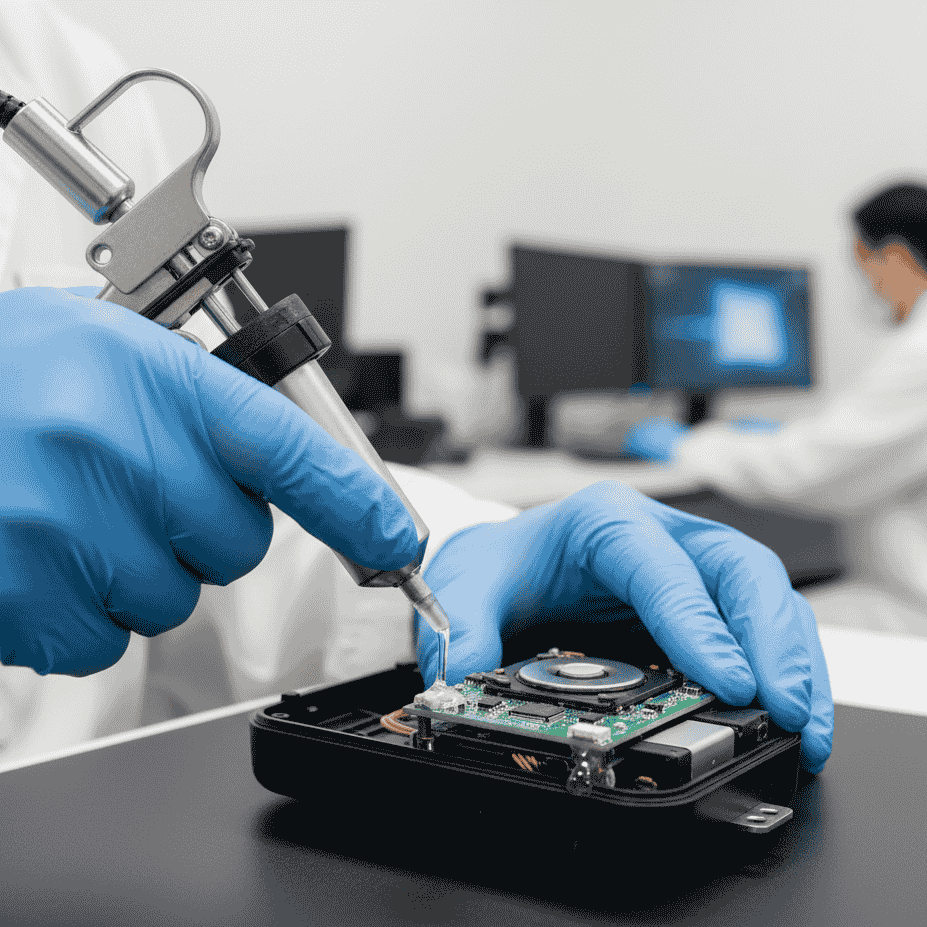
Adhesive sealant
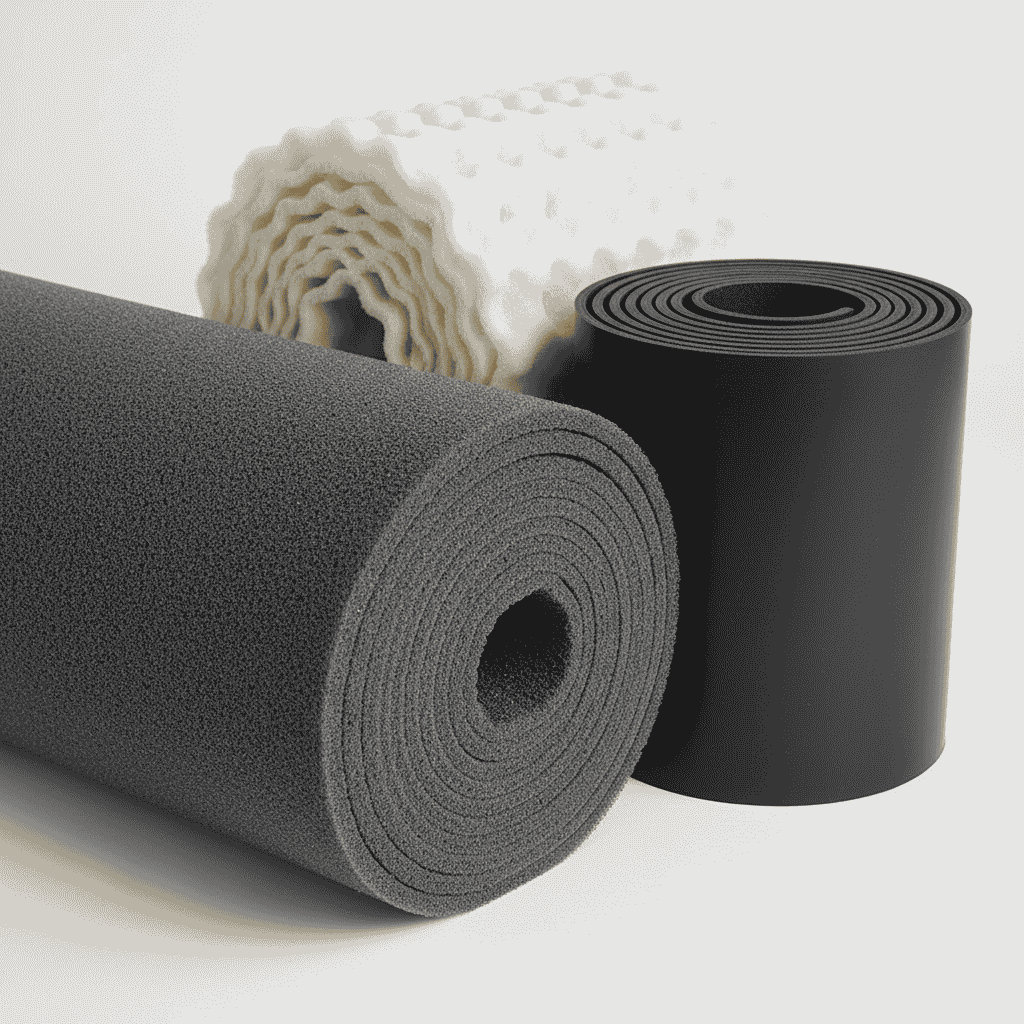
Conductive foam
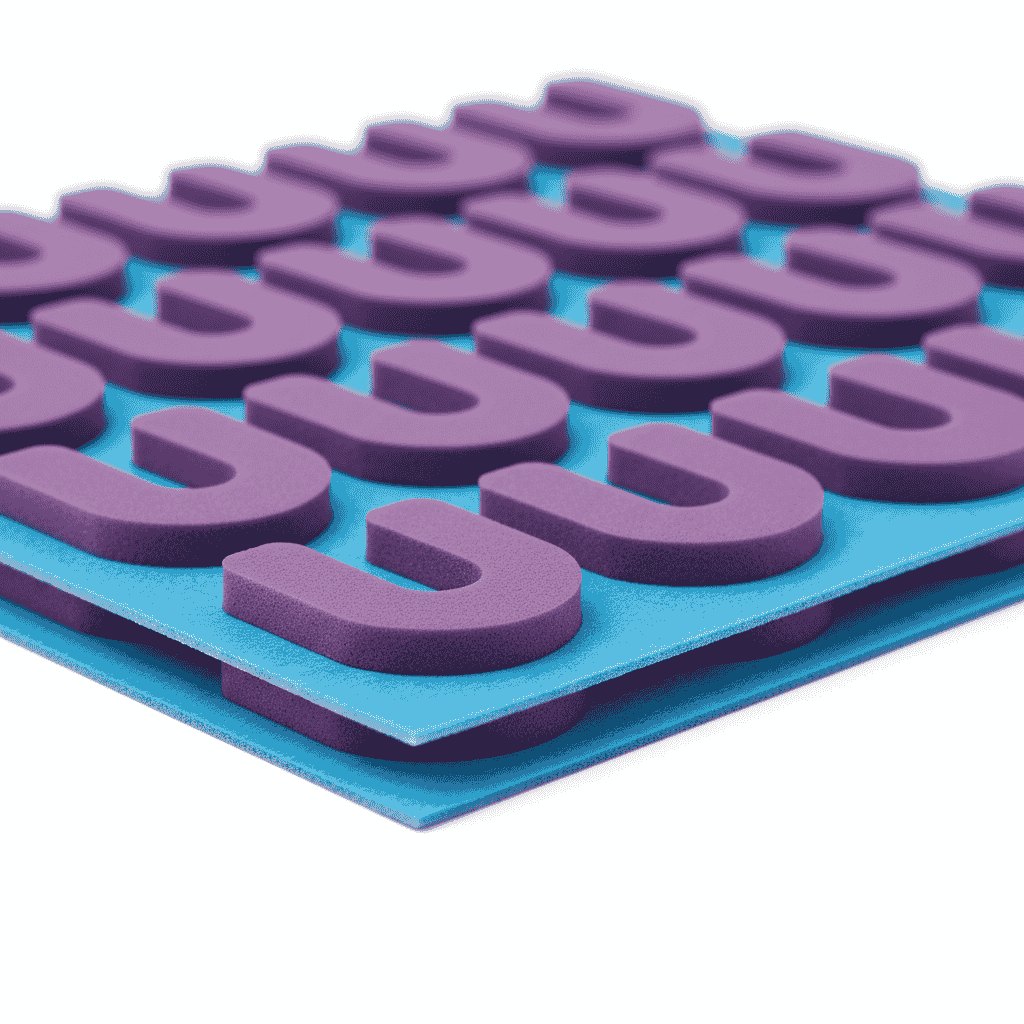
Thermal gap filler
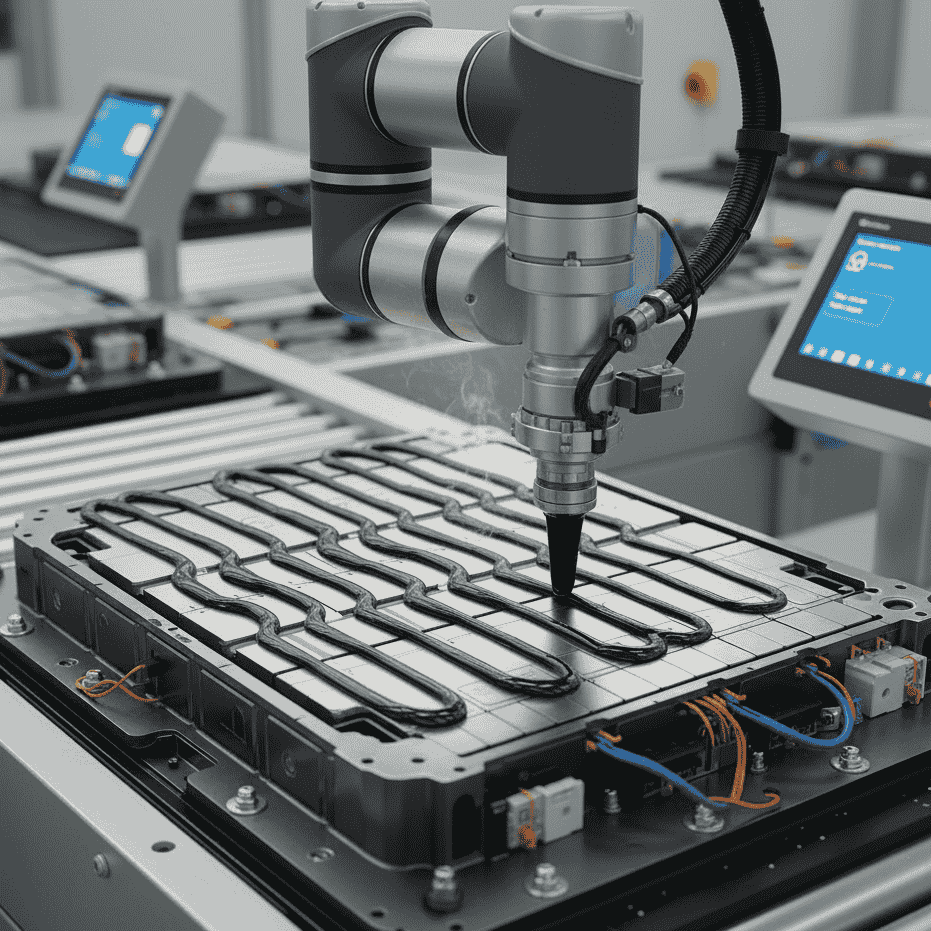
Adhesive hot melt
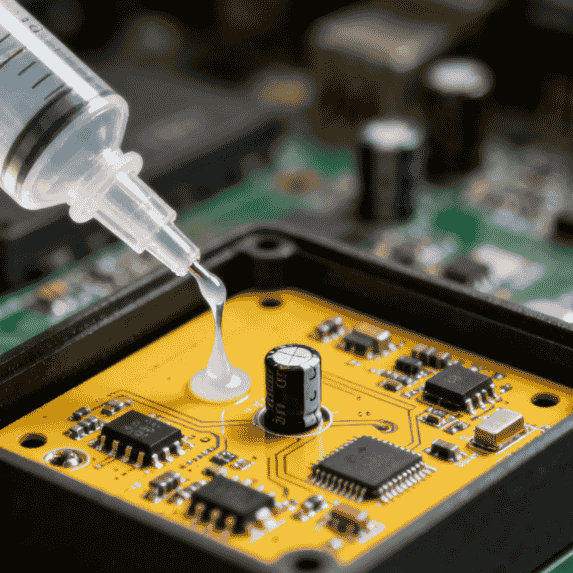
Adhesive UV
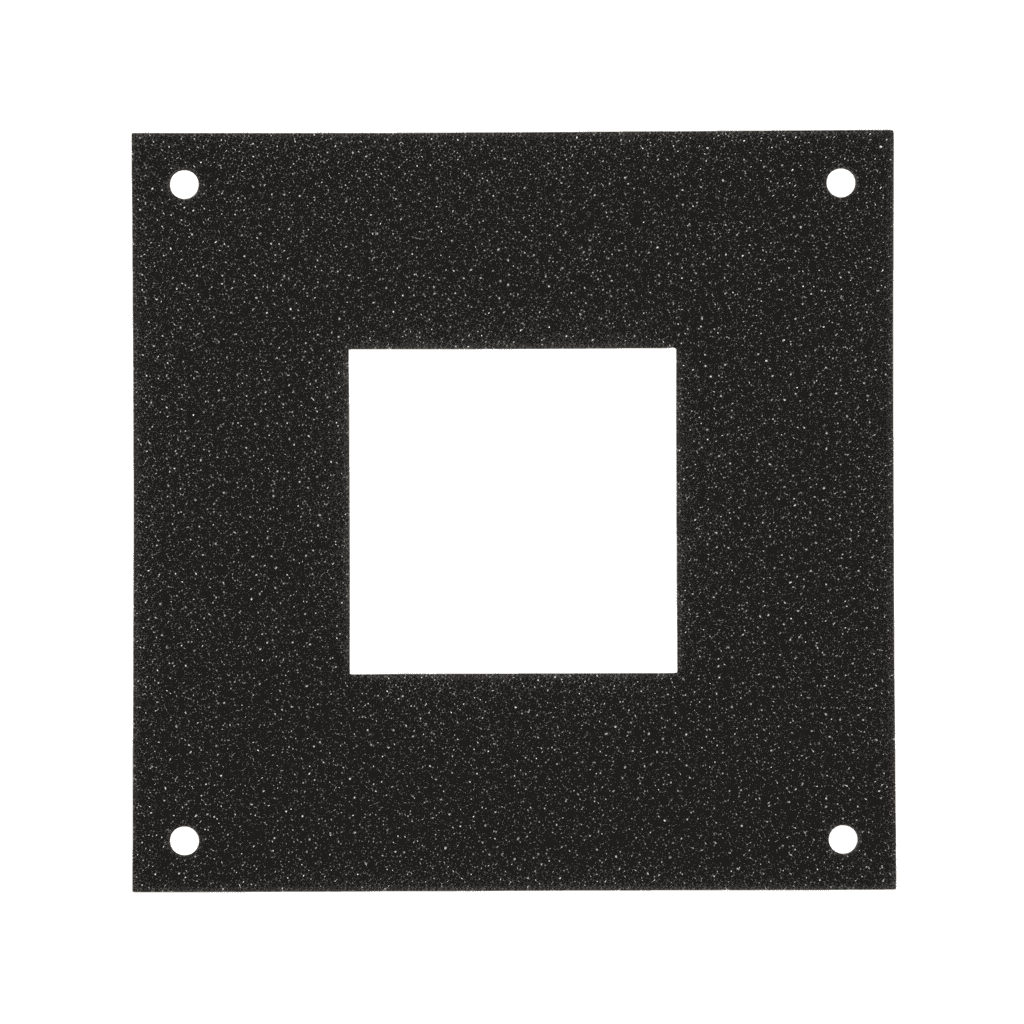
Conductive gasket
Robotics Thermal and Shielding: The Foundation of Reliable Automation
Robotics thermal and shielding solutions are the backbone of modern autonomous systems, ensuring that high-performance hardware remains stable under intense workloads. As the industry shifts toward “Physical AI,” robots are now equipped with powerful GPUs and NPUs that generate significant heat. Without effective thermal management, these processors suffer from thermal throttling, which causes latency in a robot’s decision-making process.
Why Thermal Management Matters
In 2026, robotics are becoming more compact, leaving less room for traditional airflow. High-conductivity Thermal Interface Materials (TIMs), such as gap fillers and phase-change materials, are essential to move heat away from sensitive components to the outer chassis. This ensures that the “brain” of the robot stays within safe operating temperatures, even during high-duty cycles in industrial environments.
The Role of EMI and RFI Shielding
Beyond heat, electromagnetic interference (EMI) and radio frequency interference (RFI) pose a massive threat to robotic precision. Robotics thermal and shielding strategies must include conductive gaskets, absorbers, and tapes to block noise generated by high-torque motors. If a robot’s sensors—like Lidar or ultrasonic transducers—pick up electronic “noise,” it can lead to navigation errors or dangerous collisions.
Future-Proofing with Integrated Solutions
As humanoid robots and AMRs become more prevalent, engineers are opting for hybrid materials that provide both thermal cooling and EMI suppression in a single component. This reduces weight and assembly time while maximizing the robot’s reliability.
Robotics thermal and shielding solutions are critical for maintaining the operational integrity of 2026’s most advanced autonomous systems. As “Physical AI” continues to drive robots into complex, high-demand environments, the need for integrated hardware protection has never been greater. According to the International Federation of Robotics, the convergence of AI and autonomy is a top industry trend, making robust thermal management and EMI protection essential for ensuring that next-generation humanoid and industrial robots can perform reliably without interference or hardware failure.